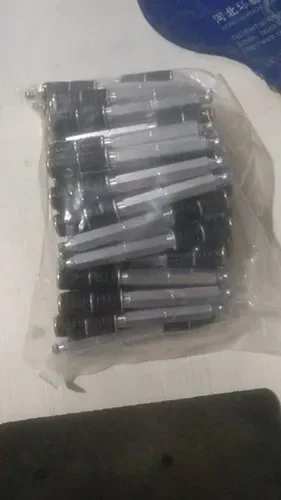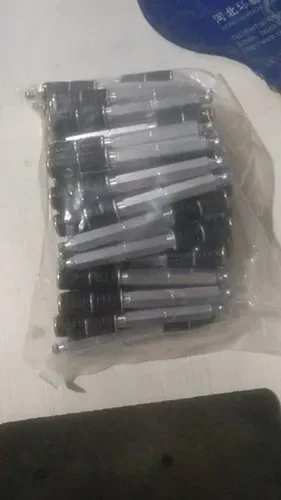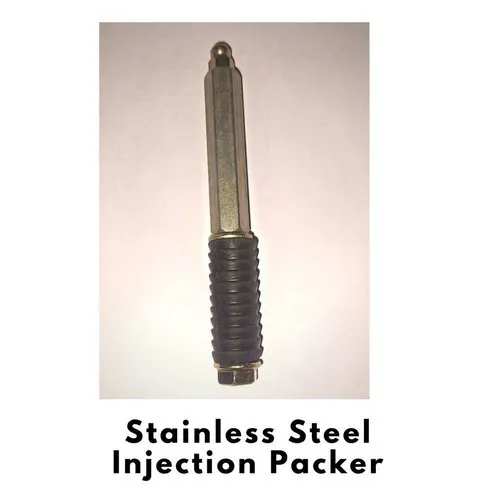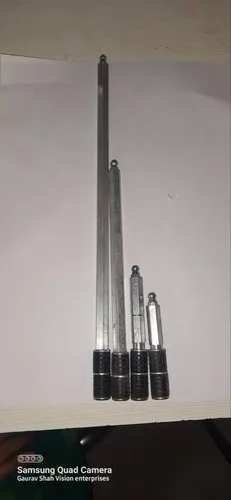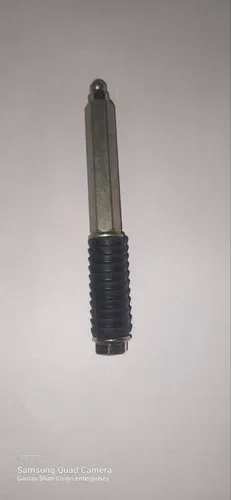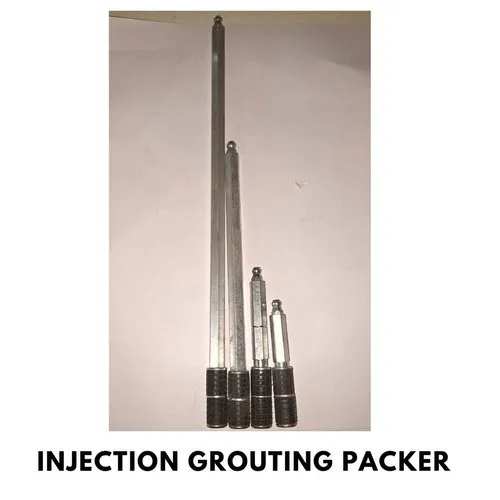
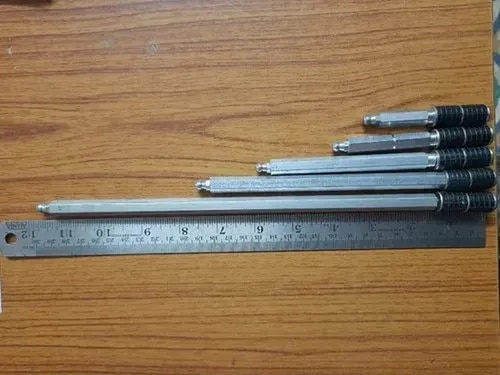
Crack Injection Packers
Description
Capacity: 1-2 ton
Brand: VE
Material: ss
Customisation: Not Customised
Nipple Grease Pressure: yes
Diameter: standard
Crack Injection Packers: Sealing the Cracks, Strengthening the Structure
Crack injection packers are unsung heroes in the construction and repair world, playing a crucial role in sealing cracks, voids, and joints in concrete and other structures. These versatile tools work behind the scenes, ensuring long-term stability and preventing further damage.
Types of Crack Injection Packers:
Mechanical Packers: These rely on a mechanical mechanism, like a screw or wedge, to expand a rubber sleeve and create a tight seal against the crack walls. They are:
Reusable: Can be used for multiple injection projects after proper cleaning and maintenance.
Cost-effective: Generally cheaper than other injection methods like chemical bonding.
Easy to use: Require minimal setup and expertise.
Chemical Packers: These utilize a chemical reaction, often the expansion of a polyurethane foam upon contact with water, to form a seal. They are ideal for:
Wet or underwater applications: The foam expands even in water, creating a waterproof seal.
Irregular cracks: The flexible foam adapts to the shape of the crack for a snug fit.
Hydraulic Packers: These employ hydraulic pressure to inflate a bladder or membrane, creating a seal against the crack walls. They offer:
High pressure capabilities: Suitable for large cracks or deep injections requiring significant pressure.
Controlled injection: Precise pressure control ensures optimal filling and minimal risk of damage.
Crack Injection Packers: Sealing the Cracks, Strengthening the Structure
Crack injection packers are unsung heroes in the construction and repair world, playing a crucial role in sealing cracks, voids, and joints in concrete and other structures. These versatile tools work behind the scenes, ensuring long-term stability and preventing further damage.
Types of Crack Injection Packers:
Mechanical Packers: These rely on a mechanical mechanism, like a screw or wedge, to expand a rubber sleeve and create a tight seal against the crack walls. They are:
Reusable: Can be used for multiple injection projects after proper cleaning and maintenance.
Cost-effective: Generally cheaper than other injection methods like chemical bonding.
Easy to use: Require minimal setup and expertise.
Image of Crack Injection Mechanical PackerOpens in a new window
www.sealboss.com
Crack Injection Mechanical Packer
Chemical Packers: These utilize a chemical reaction, often the expansion of a polyurethane foam upon contact with water, to form a seal. They are ideal for:
Wet or underwater applications: The foam expands even in water, creating a waterproof seal.
Irregular cracks: The flexible foam adapts to the shape of the crack for a snug fit.
Image of Crack Injection Chemical PackerOpens in a new window
www.daehwa.info
Crack Injection Chemical Packer
Hydraulic Packers: These employ hydraulic pressure to inflate a bladder or membrane, creating a seal against the crack walls. They offer:
High pressure capabilities: Suitable for large cracks or deep injections requiring significant pressure.
Controlled injection: Precise pressure control ensures optimal filling and minimal risk of damage.
Image of Crack Injection Hydraulic PackerOpens in a new window
www.smartclima.com
Crack Injection Hydraulic Packer
Choosing the Right Crack Injection Packer:
Several factors influence the choice of the right packer:
Crack size and type: The packer diameter and seal design should be compatible with the crack geometry and material.
Grout type: Ensure the packer material is compatible with the chosen grout and its chemical properties.
Injection pressure: Select a packer rated for the expected injection pressure to avoid damage or leaks.
Application context: Consider factors like accessibility, ease of removal, and presence of water.
Budget and reusability: Compare costs and weigh the value of reusability vs. disposable options.