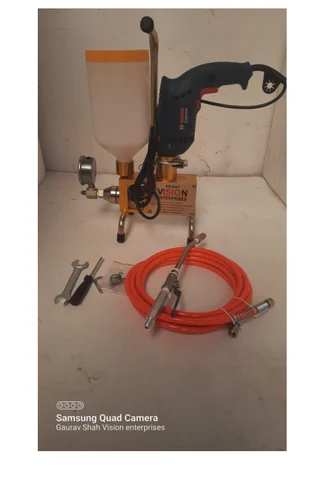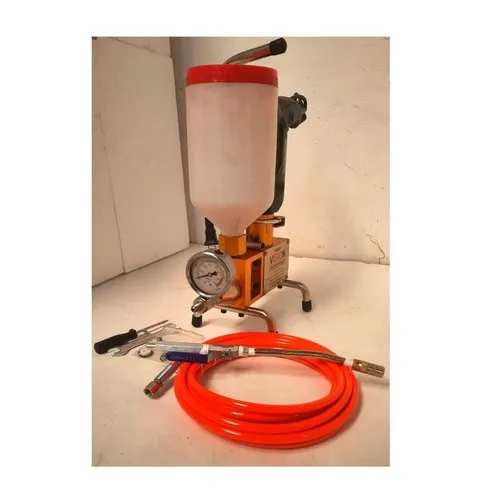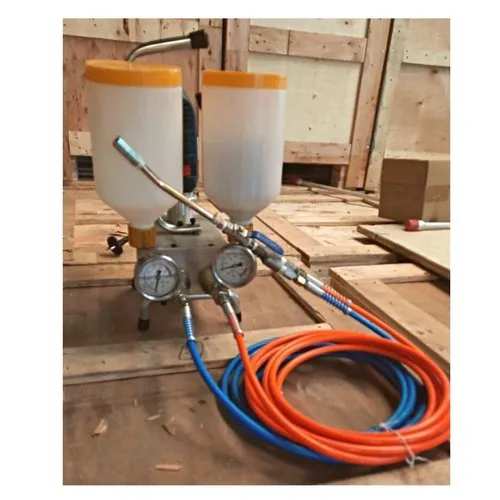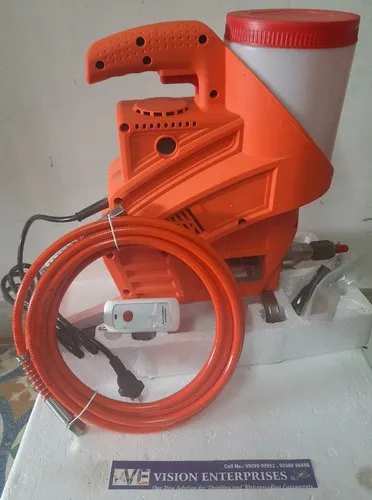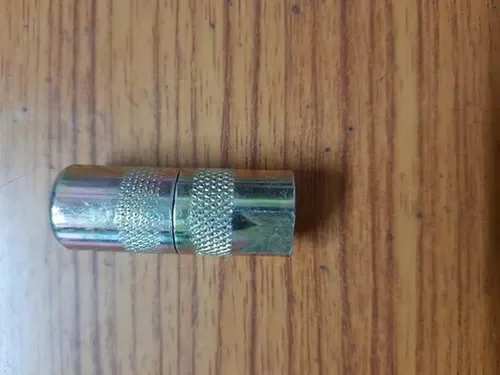
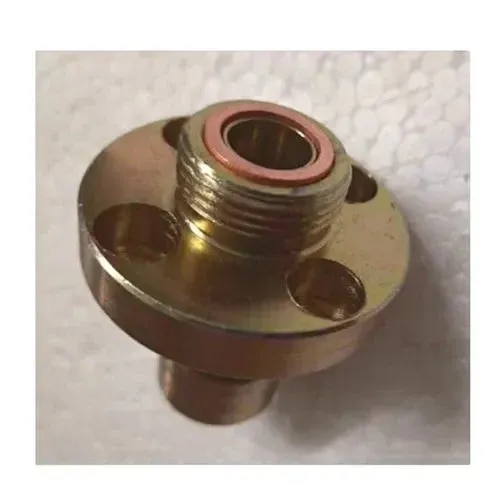
Piston Grout Pumps
Description
Usage/Application: Grouting
Pump Type: Centrifugal Pump
Material: Mild Steel
Surface Finish: Polished
Number of Holes: 4 Holes
Piston Grout Pumps: Powerful Precision for Filling the Gaps
Piston grout pumps are robust workhorses in the construction and geotechnical world, designed to inject grout, a thick, high-pressure slurry, into cracks, voids, and crevices to stabilize and strengthen structures. They're the go-to choice for applications demanding high pressure, controlled flow, and reliable performance.
Here's what makes them tick:
Operation:
A piston driven by hydraulic or electric power reciprocates within a cylinder, creating a suction and discharge action.
Grout is drawn from a hopper or tank, then pumped through hoses and packers to the targeted location.
Pressure relief valves prevent overpressurization and equipment damage.
Key Features:
High pressure capabilities: Piston pumps can generate pressures exceeding 5,000 psi, crucial for pushing grout into deep cracks or against significant backpressure.
Positive displacement: Unlike gear or centrifugal pumps, piston pumps deliver a consistent volume of grout per stroke, regardless of resistance, ensuring precise application.
Durable construction: Robust components like steel bodies and heavy-duty pistons withstand harsh jobsite conditions and abrasive grout mixtures.
Versatility: Various piston pump models cater to different needs, with varying sizes, pressure outputs, and power sources (electric, hydraulic, gasoline, or diesel).
Applications:
Concrete crack and void filling: Repairing structural elements like foundations, beams, and walls for increased stability and longevity.
Soil stabilization: Injecting grout to strengthen loose ground or anchor structures like retaining walls.
Geotechnical applications: Securing rock bolts, filling voids around tunnels and shafts, and stabilizing slopes.
Waterproofing: Sealing leaks in dams, basements, and other structures.